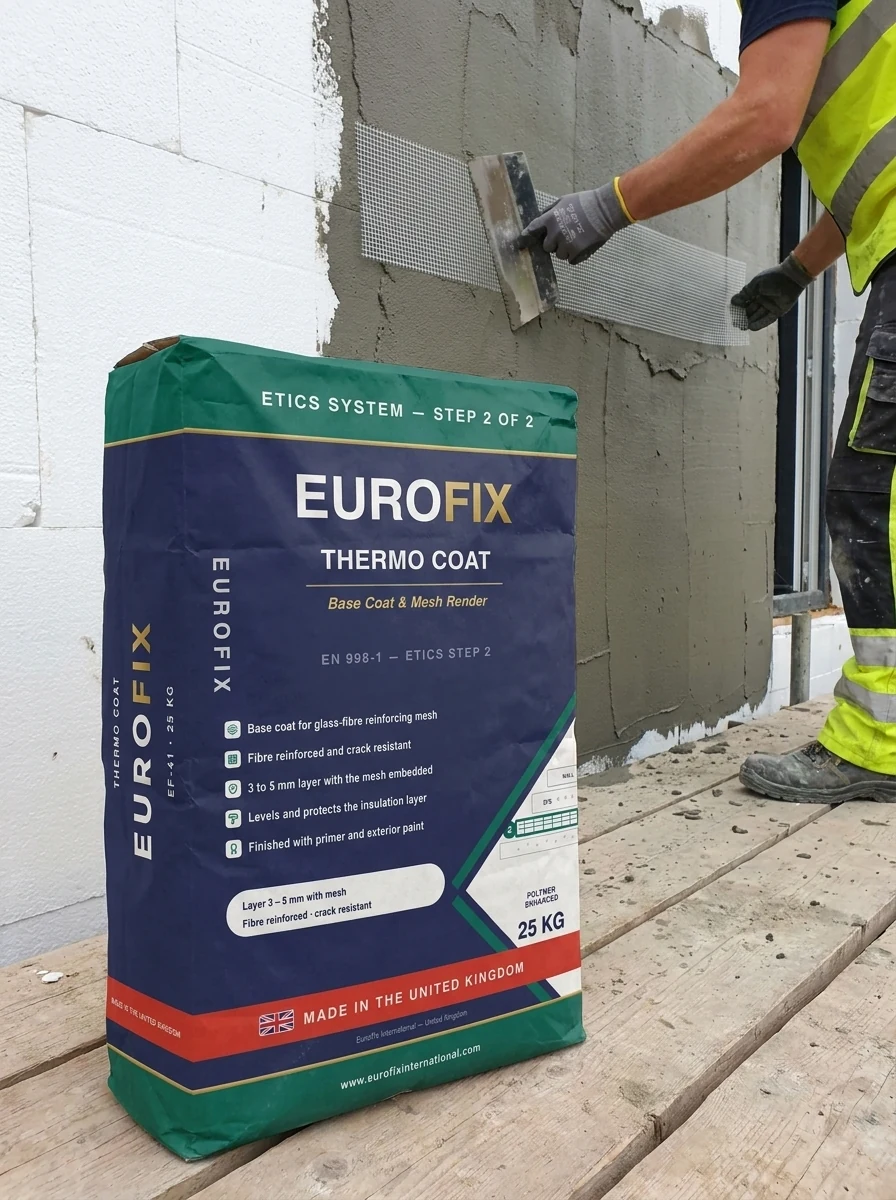
Every Syrian neighbourhood knows the scene: a sand truck emptied across half the street, gravel rolling into neighbours' doorways, empty cement bags in the wind, a pavement turned into a wheelbarrow lane. We have seen it so long we call it "how construction is".
It is not how construction is. It is the absence of a standard — and standards are written, applied, and become habit, exactly as they did in every country that learned this lesson before us.
And we are at a moment that will not repeat: a whole country being rebuilt, with the world watching. Every Syrian worksite is a shop window — for the contractor first, then the neighbourhood, then the country. Let it be one worth looking at.
Rule one: the street is not your warehouse
- No sand or gravel dumped on the public road or pavement. Unload within the property line, into a container, or onto an agreed rented area. If the street is unavoidable for a few hours: permission, warning signs, and never blocking traffic or a neighbour's entrance.
- Loose materials stay covered — uncovered sand is dust on the neighbours' laundry with the first wind and mud on the street with the first rain, and it is your money blowing away too.
- The pedestrian path stays a path. If work must occupy it, provide a marked safe alternative — not "they'll manage" between the cars.
- Timing is part of respect: truck unloading and loud work in acceptable daytime hours, not at dawn and not after the neighbourhood has gone quiet.
This is exactly where the modern methods we wrote about win: semi-dry screed takes its materials straight into the machine with one hose entering the flat, and machine plastering removes mixing from inside the building. A clean site is not a tax on productivity — the most modern methods are also the cleanest.
Exterior works: the facade is built in public
- Mark the work zone with a barrier or tape — protection for passers-by first, your materials second.
- Scaffolding goes up sound and comes down the day it is no longer needed; scaffolding standing idle for months advertises an abandoned project.
- Debris comes down carried, not thrown — a closed chute or rope-and-container, never tipping from floors.
- No washing tools into the street: gypsum, adhesive and paint residue is collected in a settling container and leaves with the rubble, never into the storm drains.
- End of every day: a five-minute visual tidy-up. It buys a productive morning and a neighbour who has nothing to complain about.
Interior works: the client's home is a trust
- Cover before the first bag: remaining floors, thresholds and stairs under fixed sheeting or cardboard — the cost is nothing against one scratched marble step.
- One designated mixing spot over covering — not roaming mixing in every room.
- Contain the dust: close doors of untouched rooms, wet the cutting spots, sand with extraction where possible.
- Bag the rubble as you go and take it out daily — no waste hill growing in the living room until handover.
- Respect the household: agreed entry times, one movement corridor, no tools left where the children walk.
Why this is a winning business model, not idealism
- A clean site sells for you. The strongest advertisement a contractor has in Syria is a neighbour who watched a disciplined crew and asked "who is doing your work?" — the free referral comes from the street you did not block.
- A tidy site is a faster site. A worker who is not hunting for tools or stepping over rubble produces more; chaos charges its wage daily, out of your productivity.
- Waste shows up in the open: materials stacked carelessly get trodden, soaked and stolen. Organised storage alone cuts material loss you can see on the invoice.
- Accidents cost more than prevention — one injury from abandoned debris costs, in every currency, more than all the tidy-up minutes of the project's life.
Ready-to-adopt rules — post them at the site
| Item | Minimum acceptable standard |
|---|---|
| Unloading | Within the property line or a container; no blocked road or neighbour's entrance |
| Loose materials | Always covered; no sand open to wind and rain |
| Pedestrian path | Open, or a marked safe alternative |
| Noise and deliveries | Acceptable daytime hours for the neighbourhood |
| Waste and rubble | Collected daily, removed to a proper tip — no burning, no dumping on empty land |
| Tool washing | Settling container; nothing into storm drains |
| Inside a home | Floors covered, one mixing spot, daily rubble removal |
| End of shift | Tidy-up and visual check before the last worker leaves |
| Safety | Helmet and site boots on structure; goggles and mask at cutting and sanding |
The world is watching — let it see our best
Investors are assessing, expatriates are deciding whether to return, global companies are studying entry. None of them read our reports — they see our streets and our worksites. Site discipline is not an imported luxury; the people who built Damascus, Aleppo and Palmyra did not build them from chaotic sites. A contractor who unloads within his boundary and covers his materials is not imitating anyone — he is returning to the precise craftsmanship this land was known for.
Said with its full ambition: we want the Syrian worksite to become the example the region comes to learn from. That starts with no decree and no budget — one contractor deciding his next site will be run this way, and a neighbour who will accept nothing less.
Umranex's own commitment
Standards are measured against their author: our deliveries unload at the agreed address boundary, not across the street, in sound sealed packaging, within the agreed windows — and with every large order comes advice on storing it properly on site, because material that arrived intact should enter the wall intact.
A clean site, a winning ledger, and a country that deserves both. Let us build the new Syria to new standards — starting with the first pile of sand.